
Optimal Timing for Shrub Trimming
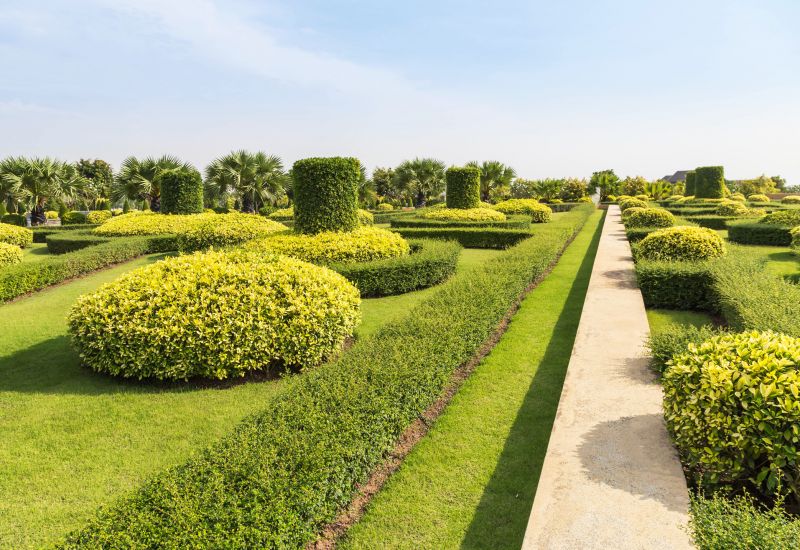
Early spring is ideal for shaping and removing dead branches before the growing season begins.

Light trimming during summer encourages healthy growth and maintains shrub shape.
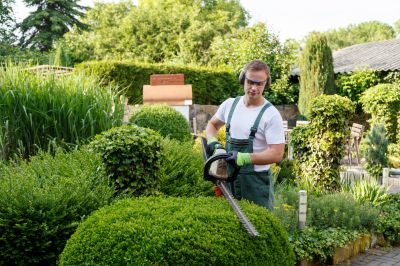
Late fall trimming prepares shrubs for winter and promotes vigorous growth in the next season.
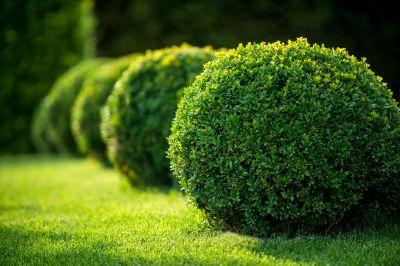
Ways to make Shrub Trimmings work in tight or awkward layouts.
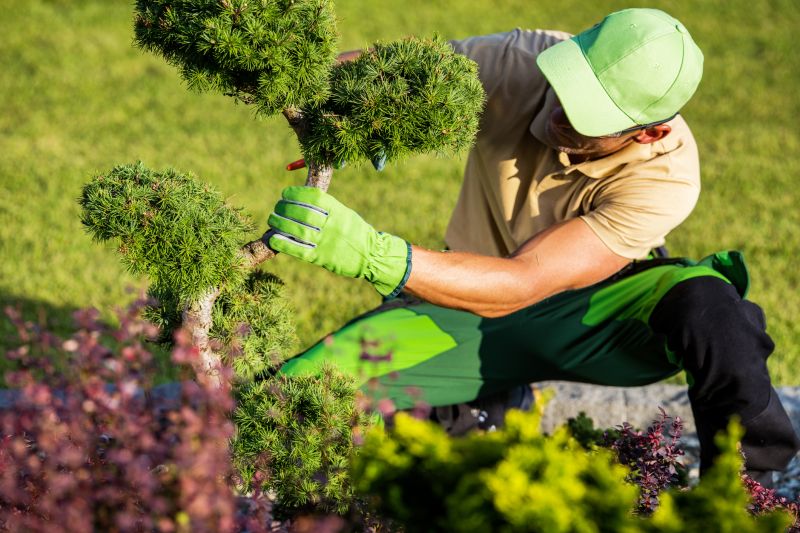
Popular materials for Shrub Trimmings and why they hold up over time.

Simple add-ons that improve Shrub Trimmings without blowing the budget.
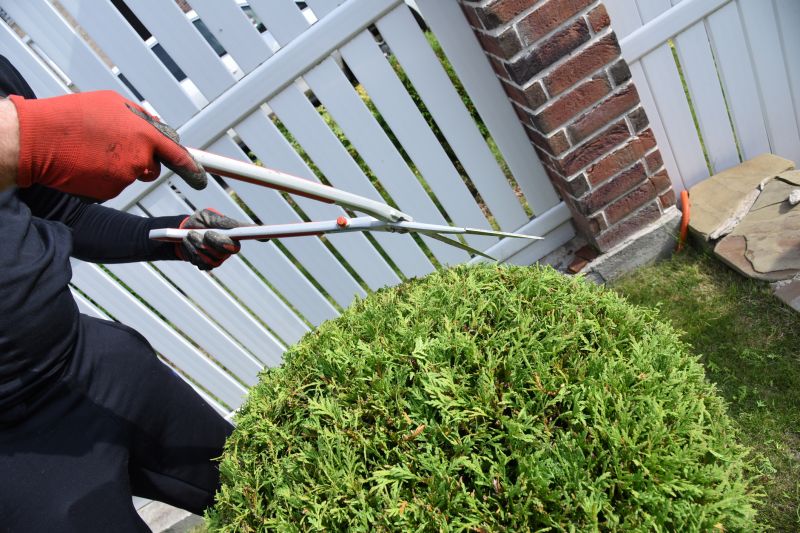
High-end options that actually feel worth it for Shrub Trimmings.
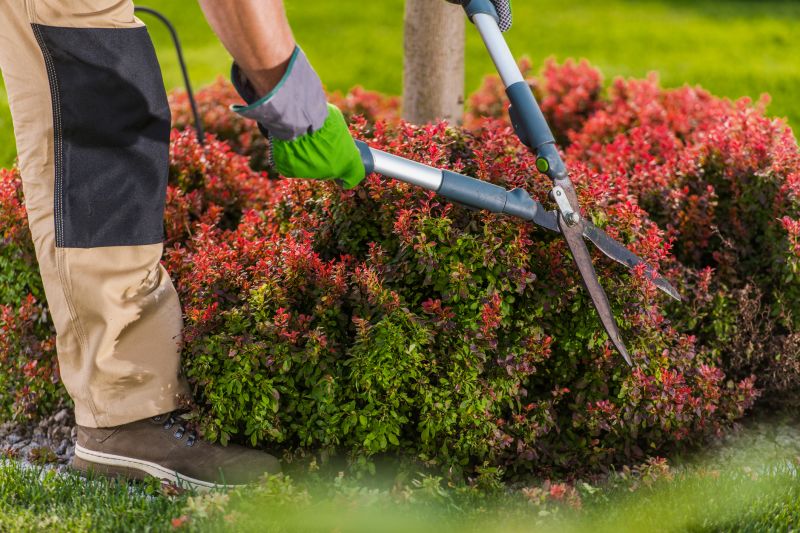
Finishes and colors that play nicely with Shrub Trimmings.
Shrub trimmings involve the careful pruning of bushes to promote healthy growth, improve appearance, and remove damaged or dead branches. Proper timing of trimming can significantly impact the health and aesthetics of shrubs. Trimming schedules vary based on shrub type, growth cycle, and regional climate conditions.
Trimming at the right time enhances plant health, encourages fuller growth, and maintains desired shapes.
Incorrect timing can lead to stress, disease, or poor growth. Understanding seasonal cycles is essential.
In Colorado, timing should account for seasonal temperature fluctuations and plant dormancy periods.
Some shrubs bloom on old wood and should be trimmed after flowering, while others are best trimmed in early spring.
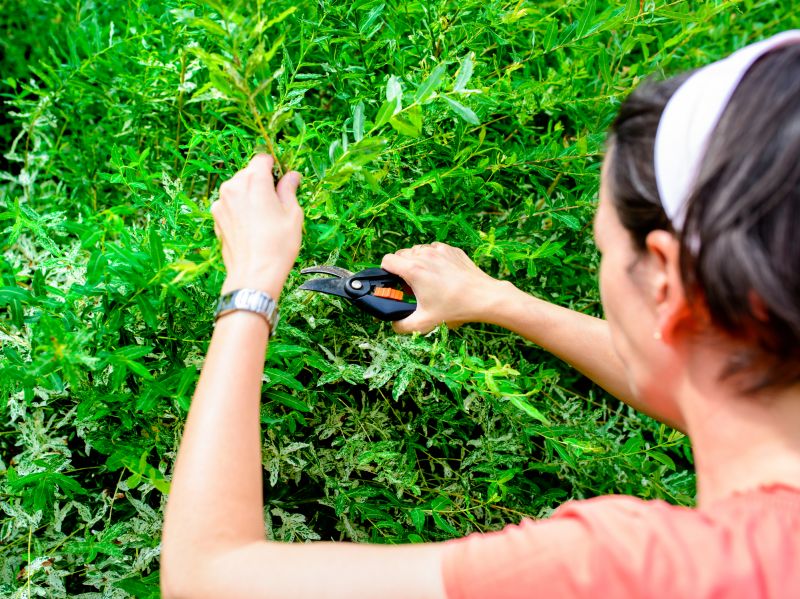
Optimal for many deciduous shrubs to promote new growth.
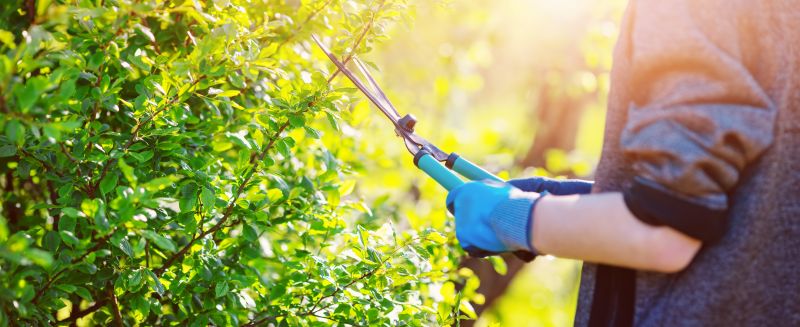
Light trimming helps maintain shape and health during active growth.
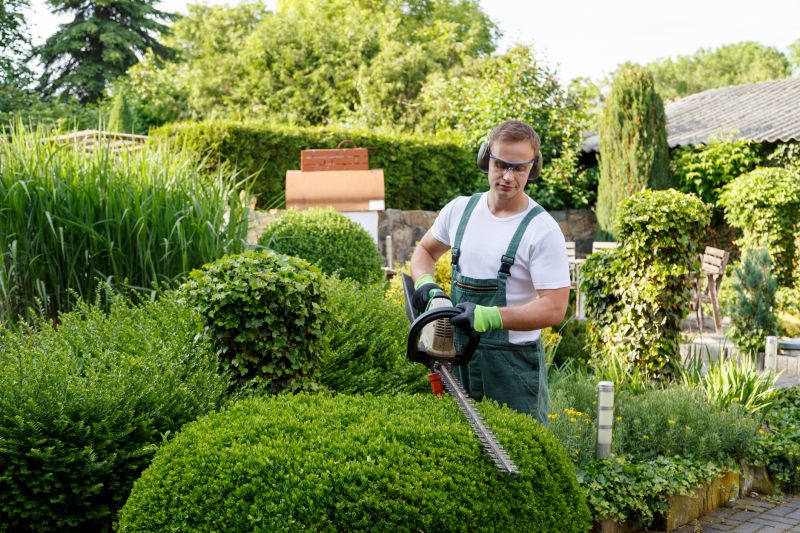
Prepares shrubs for winter dormancy and encourages vigorous growth afterward.
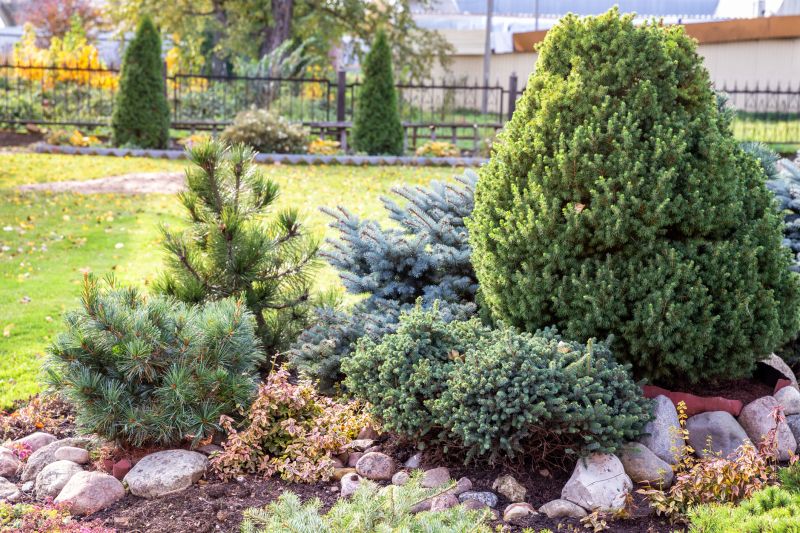
Late winter or early spring is ideal for some evergreen and deciduous shrubs.
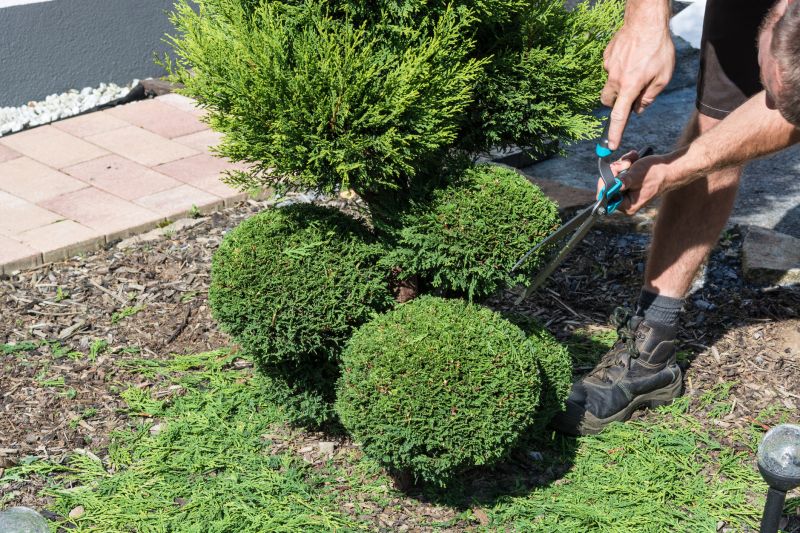
Little measurements that prevent headaches on Shrub Trimmings day.

A 60-second routine that keeps Shrub Trimmings looking new.
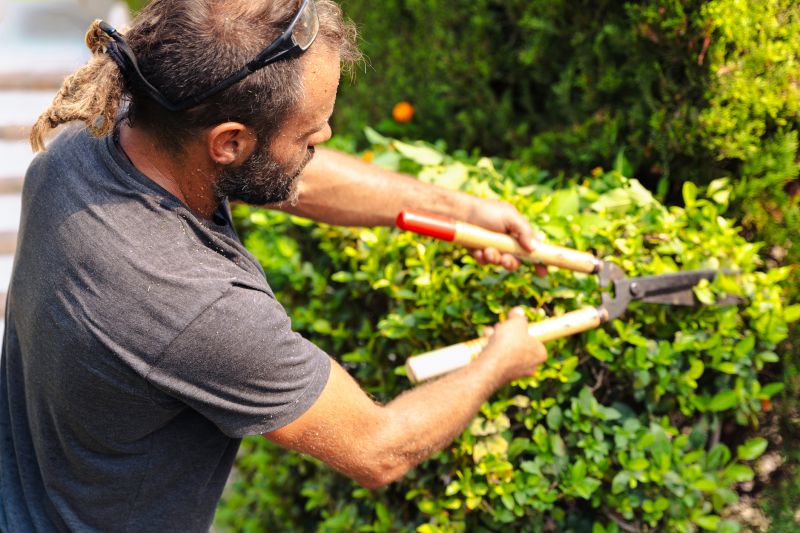
A frequent mistake in Shrub Trimmings and how to dodge it.

Small tweaks to make Shrub Trimmings safer and easier to use.
| Season | Best Practices |
|---|---|
| Spring | Prune before new growth begins, remove dead or damaged branches. |
| Summer | Perform light trimming, focus on shaping and removing excess growth. |
| Fall | Trim after flowering, remove dead wood, prepare for dormancy. |
| Winter | Limited trimming for certain shrubs, avoid pruning during extreme cold. |
| Post-Bloom | Prune flowering shrubs after they bloom to encourage next year's flowers. |
| Pre-Bloom | Prune non-flowering shrubs early in the season for shape and health. |
Understanding the optimal timing for shrub trimmings ensures healthy development and maintains aesthetic appeal. Regional climate, shrub species, and growth cycles all influence the ideal trimming schedule. Properly timed pruning can also prevent common issues such as disease and pest infestation.
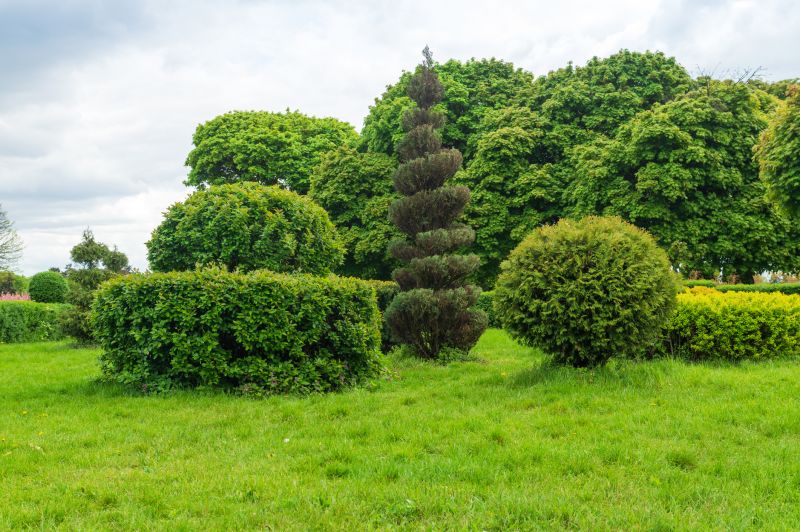
Lower-waste or water-saving choices for Shrub Trimmings.
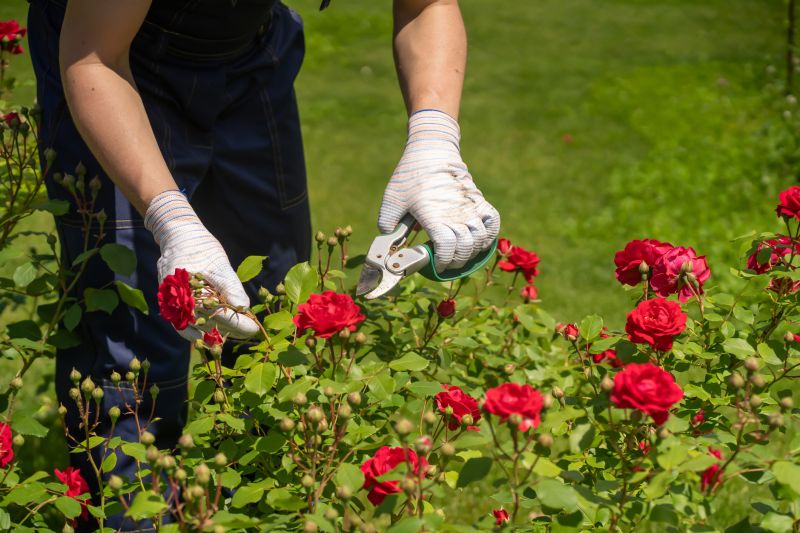
Timing trimming after blooming to maximize flowering potential.
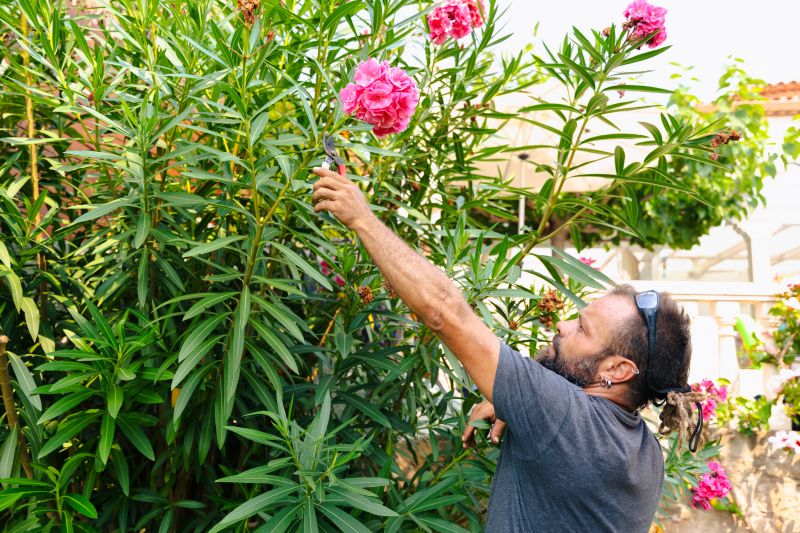
Prune during late winter or early spring for best results.
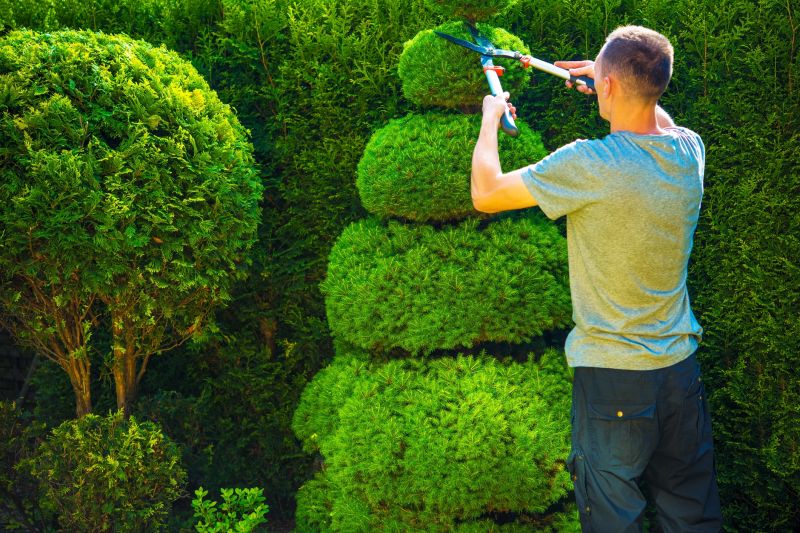
Trim during dormancy to avoid stressing the plant.
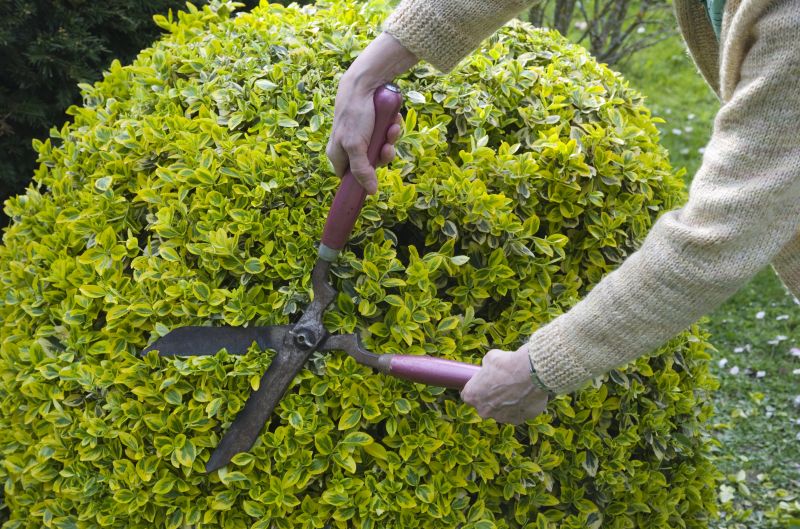
The short, realistic tool list for quality Shrub Trimmings.
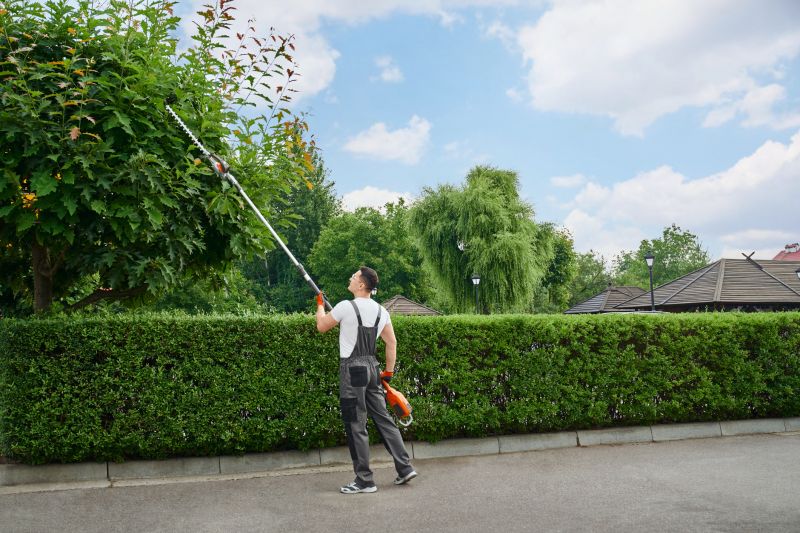
Rough timing from prep to clean-up for Shrub Trimmings.
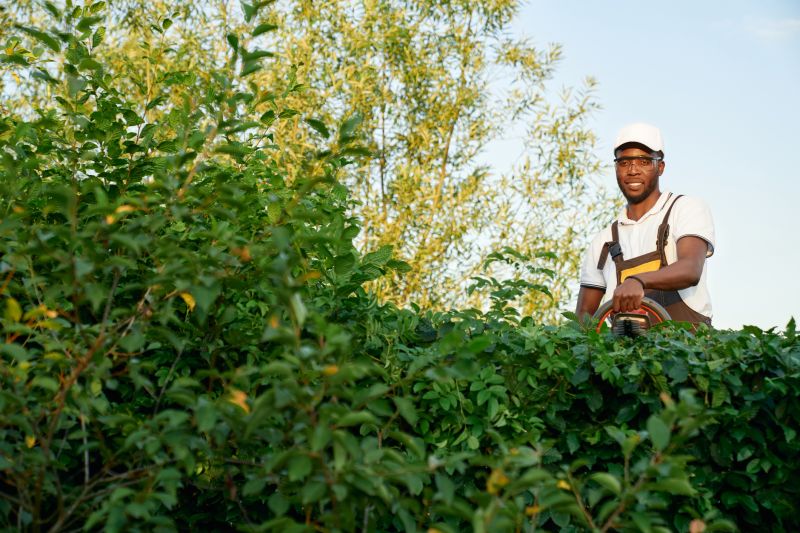
Quick checks and paperwork to keep after Shrub Trimmings.

Examples that show the impact a good Shrub Trimmings can make.
Proper shrub trimming not only improves appearance but also supports plant vitality. In regions like Monument, Colorado, understanding seasonal changes is crucial for effective pruning. Consulting local horticultural guidelines can help determine the best schedule for specific shrub varieties.